Understanding Sugar Beet Vs Sugar Cane: a Deep Study Their Processing and Applications
The comparison between sugar beet and sugar cane discloses important distinctions in their processing and use. Each plant has unique growing techniques that influence its geographical circulation. Sugar beetroots are primarily processed right into granulated sugar for various food products, while sugar cane is often used in beverages. Comprehending these distinctions loses light on their roles in the food industry and their economic relevance. The wider effects of their farming and handling warrant further exploration.
Summary of Sugar Beet and Sugar Cane
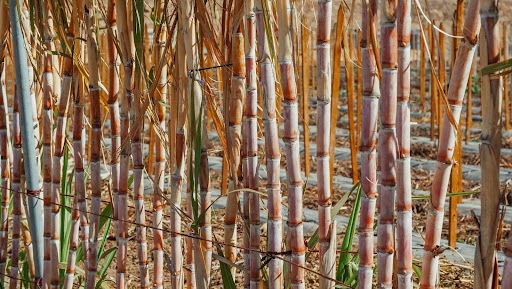
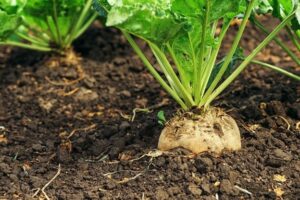
Sugar beet and sugar cane are two primary sources of sucrose, each contributing significantly to the worldwide sugar supply. Sugar beet is an origin vegetable, generally gathered in cooler climates, while sugar cane is a tall grass that flourishes in warmer tropical and subtropical regions. The processing of sugar beet involves washing, slicing, and removing juice, followed by filtration and formation. On the other hand, sugar cane handling includes crushing the stalks to remove juice, which is after that made clear and focused into sugar crystals.
Both crops are abundant in sucrose, however their structure differs a little, with sugar cane normally having a higher sugar content. Each resource likewise plays a function in biofuel production, with sugar beet often made use of for ethanol. While both are necessary for different applications, their distinct development demands and processing methods affect their corresponding contributions to the sugar market.
Geographic Circulation and Cultivation Problems
Sugar beet and sugar cane are cultivated in distinctive geographical regions, affected by their particular climate and dirt requirements. Sugar cane grows in tropical environments, while sugar beet is much better fit for temperate areas with cooler temperatures. Recognizing these growing problems is necessary for optimizing manufacturing and guaranteeing quality in both plants.
Global Expanding Areas
While both sugar beet and sugar cane are necessary sources of sugar, their global growing regions differ noticeably due to environment and dirt requirements. Sugar beet grows primarily in pleasant regions, with considerable manufacturing concentrated in Europe, North America, and components of Asia. These areas usually include well-drained, fertile dirts that sustain the crop's growth cycle. On the other hand, sugar cane is greatly grown in tropical and subtropical regions, with significant manufacturing hubs located in Brazil, India, China, and Thailand. This plant embellishments in warm, humid atmospheres that promote its development. The geographical distribution of these 2 plants highlights the adaptability of sugar cane to warmer climates, while sugar beet stays dependent on cooler, pleasant problems for peak development.
Climate Requirements
The climate demands for sugar beet and sugar cane vary considerably, showing their adjustment to distinctive environmental conditions. Sugar beet prospers in pleasant environments, calling for awesome to moderate temperatures, preferably varying from 15 ° C to 20 ° C. It is delicate to frost and take advantage of well-distributed rains throughout its expanding period. This crop is generally cultivated in areas such as Europe and The United States And Canada.
Alternatively, sugar cane embellishments in exotic and subtropical environments, preferring warmer temperature levels in between 20 ° C and 30 ° C - Sugar beet vs sugar cane. It requires abundant sunlight and consistent rains, making it fit to locations like Brazil, India, and Southeast Asia. The different environment choices of these plants significantly affect their geographic distribution and agricultural practices
Soil Preferences
Both sugar beet and sugar cane require specific dirt problems to prosper, their preferences differ considerably. Sugar beets prosper in well-drained, fertile soils rich in raw material, with a pH varying from 6.0 to 7.5. These problems are generally discovered in pleasant areas, specifically in Europe and The United States And Canada. In contrast, sugar cane prefers deep, productive soils with superb drainage and a slightly acidic to neutral pH (6.0 to 7.0) This plant is mostly cultivated in tropical and subtropical environments, such as Brazil, India, and Australia. The geographic distribution of these plants reflects their dirt preferences, as sugar beets are matched for cooler climates, while sugar cane thrives in warmer, extra damp environments.
Collecting and Processing Techniques
In analyzing the harvesting and handling methods for sugar beet and sugar cane, distinct approaches emerge for each and every crop. The contrast of gathering methods discloses variations in effectiveness and labor requirements, while removal strategies highlight distinctions in the initial handling stages. In addition, understanding the refining procedures is important for evaluating the high quality and yield of sugar created from these 2 sources.
Collecting Methods Contrast
When considering the gathering approaches for sugar beet and sugar cane, distinct strategies arise that mirror the unique attributes of each crop. Sugar beet gathering generally includes mechanical methods, using specialized farmers that uproot the beetroots from the ground, getting rid of tops and soil at the same time. This technique enables for reliable collection and minimizes crop damage. On the other hand, sugar cane harvesting can be either hand-operated or mechanical. Hand-operated harvesting involves employees cutting the stalks short, while mechanical harvesting utilizes large makers that reduced, cut, and collect the cane in one operation. These differences in collecting techniques highlight the flexibility of each plant to its expanding environment and the agricultural practices common in their particular areas.
Removal Strategies Overview
Extraction techniques for sugar production vary significantly in between sugar beet and sugar cane, showing their one-of-a-kind features and handling needs. Sugar beetroots are normally gathered using mechanical harvesters that cut the origins from the ground, adhered to by cleaning to eliminate dirt. The beets are then sliced into thin items, called cossettes, to facilitate the removal of sugar via diffusion or warm water removal. On the other hand, sugar cane is normally collected by hand or maker, with the stalks reduced check my site close to the ground. After harvesting, sugar cane undergoes squashing to remove juice, which is after that cleared up and concentrated. These extraction methods highlight the distinctive strategies used based on the source plant's physical attributes and the read this post here wanted performance of sugar extraction.
Refining Processes Clarified
Refining procedures for sugar from both sugar beet and sugar cane include several important actions that ensure the end product is pure and appropriate for consumption. Initially, the raw juice removed from either resource goes through clarification, where contaminations are eliminated using lime and warmth. Following this, the juice is evaporated to focus the sugars. For sugar beets, the procedure typically includes carbonatation, while sugar cane may undertake a much more straightforward condensation method. As soon as concentrated, the syrup undergoes condensation, generating raw sugar. Lastly, the raw sugar is detoxified through centrifugation and more refining, resulting in the white granulated sugar frequently located on store racks. Each action is essential in ensuring product high quality and safety and security for consumers.
Nutritional Profiles and Health And Wellness Impacts
Health and wellness influences linked with both resources largely originate from their high sugar web content. Excessive intake of sucrose from either resource can result in weight gain, oral problems, and boosted risk of chronic diseases such as diabetes mellitus and cardiovascular disease. Sugar cane juice, usually eaten in its all-natural type, may supply added anti-oxidants and phytonutrients compared to polished sugar beet items. Ultimately, small amounts is essential in making use of both sugar beet and sugar cane in diets to alleviate possible health dangers.
Financial Importance and Worldwide Manufacturing
The economic significance of sugar beet and sugar cane is considerable, since both crops play important roles in the international farming landscape. Sugar cane, generally cultivated in tropical and subtropical areas, accounts for approximately 75% of the globe's sugar production. Countries like Brazil and India are leading manufacturers, contributing substantially to their nationwide economies via exports and regional consumption.
The worldwide sugar market is valued at billions of bucks, influenced by various variables including environment, trade policies, and customer demand. As necessary, both sugar beet and sugar cane are important for economic security and growth within the farming sector worldwide.
Applications in the Food Market
In the food industry, sugar beet and sugar cane offer crucial duties, offering sugar that are important to a wide variety of products. Both resources produce granulated sugar, which is a primary active ingredient in baked goods, drinks, and confections. Sugar beet, usually liked in areas with colder environments, is commonly discovered in refined foods such as jams, jellies, and dairy products. Meanwhile, sugar cane is favored in exotic areas and is often made use of in beverages like rum and sodas.
Past granulated sugar, both resources are also processed right into molasses, syrups, and other sweeteners, improving taste profiles and enhancing appearance in numerous applications. Additionally, have a peek at this site the spin-offs of sugar manufacturing, such as pulp and bagasse, are utilized in producing animal feed and biofuels, better demonstrating their adaptability. On the whole, sugar beet and sugar cane are essential elements of the food market, affecting preference, appearance, and total item quality.
Environmental Factors To Consider and Sustainability
As problems about climate modification and source exhaustion expand, the ecological influence of sugar beet and sugar cane farming has actually come under analysis. Sugar cane, frequently expanded in exotic areas, can result in deforestation and habitat loss, intensifying biodiversity decline. Additionally, its growing often depends on extensive water usage and chemical plant foods, which can contaminate regional rivers.
Alternatively, sugar beet is normally expanded in pleasant environments and may promote soil health through crop turning. It also deals with challenges such as high water intake and reliance on pesticides.
Both crops add to greenhouse gas discharges during handling, however sustainable farming techniques are emerging in both fields. These include accuracy agriculture, natural farming, and integrated pest monitoring. In general, the ecological sustainability of sugar production continues to be a pressing concern, requiring continuous examination and adoption of eco-friendly methods to alleviate unfavorable results on environments and areas.

Regularly Asked Questions
What Are the Distinctions in Taste Between Sugar Beet and Sugar Cane?
The preference differences in between sugar beet and sugar cane are subtle yet distinctive. Sugar beet has a tendency to have a somewhat earthier flavor, while sugar cane uses a sweeter, extra aromatic account, appealing to different cooking choices.
Can Sugar Beet and Sugar Cane Be Used Mutually in Recipes?
Sugar beet and sugar cane can frequently be made use of interchangeably in recipes, though refined distinctions in flavor and structure might emerge. Substituting one for the other usually maintains the designated sweet taste in cooking applications.

What By-Products Are Developed From Sugar Beet and Sugar Cane Handling?
The processing of sugar beets and sugar cane yields different spin-offs. These consist of molasses, pet feed, and biofuels. Each byproduct serves distinctive objectives, adding to farming and industrial applications past the key sugar removal.
Just How Do Sugar Beet and Sugar Cane Affect Soil Health?
The influence of sugar beet and sugar cane on dirt health differs; sugar beetroots can enhance raw material, while sugar cane might bring about dirt deterioration otherwise handled effectively, influencing nutrient degrees and dirt framework.
Are There Specific Varieties of Sugar Beet and Sugar Cane?
Various details selections of sugar beet and sugar cane exist, each adjusted to various climates and soil types. These varieties are grown for attributes such as return, illness resistance, and sugar material, enhancing agricultural productivity.
Comments on “Sugar beet vs sugar cane: Ecological footprint of global cultivation”